

Environmental Rewards
Support vital conservation work with your spend.Contribution
0.25% of all Visa Credit Card Spend goes to conservation projects.Habitat
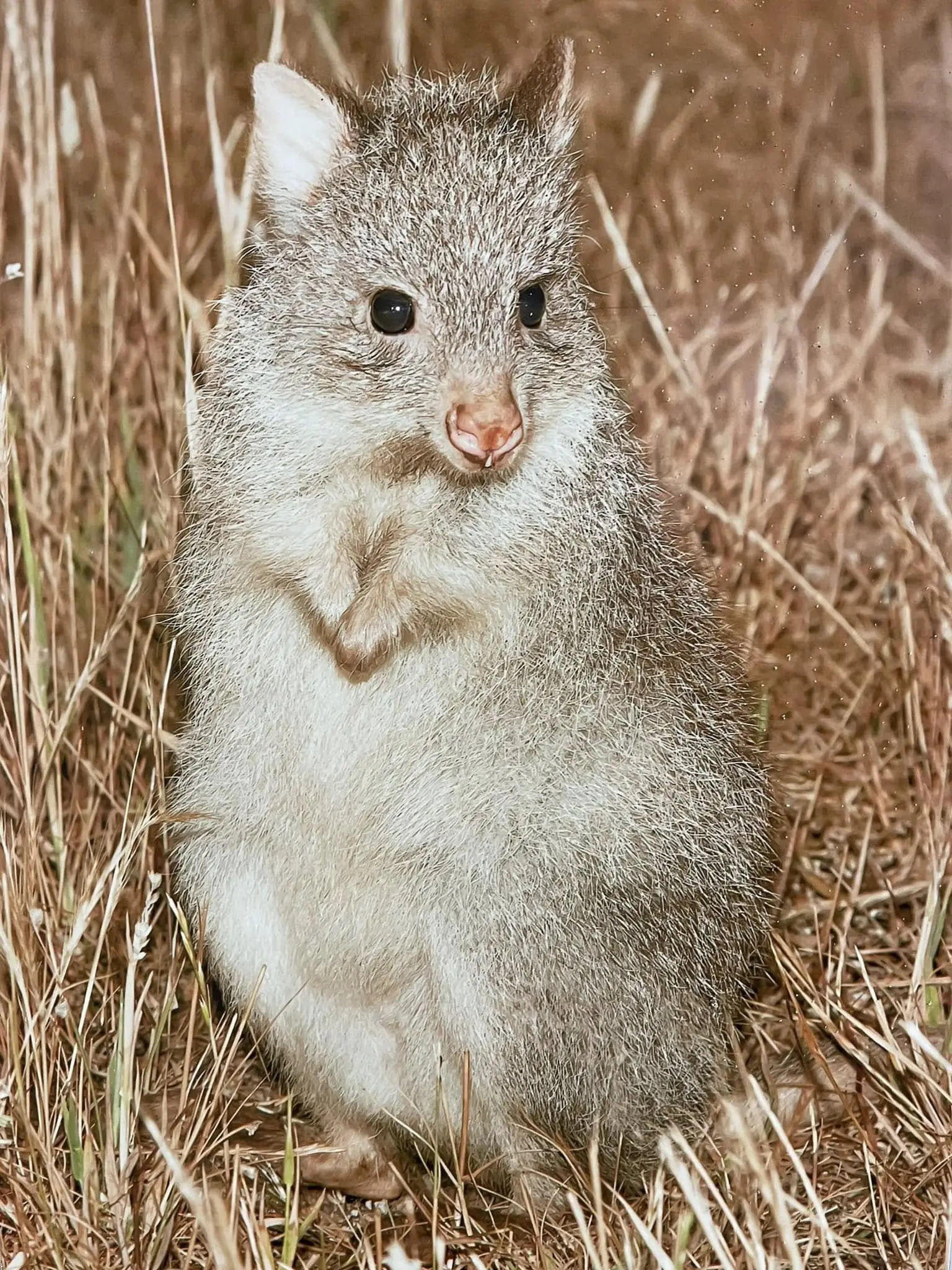
Supporting the creation of protected habitat for threatened speciesPartnerships
Partnering with Zoos Victoria, Trust for Nature and Odonata Foundation through Carbon LandscapesAt First Option Bank, we believe strongly that businesses can lead the way in driving meaningful change, especially when action from other government and the public sector is slow. We're proud to collaborate with Carbon Landscapes and other like-minded organizations that focus on making a difference without unnecessary fanfare. Our Environmental Rewards Program was created in this spirit.
How It Works
Our program is designed to be straightforward and impactful. When you use your First Option Low-Rate Visa credit card, you directly contribute to sponsoring conservation initiatives run by our trusted partners. Here's how:
- Contribution Model: For every dollar spent using your First Option Visa credit card, 0.25% of the transaction value is directed to sponsoring these programs.
- Transparency: We track the spending and transfer the funds on behalf of our members. At the end of each year, we report the amount contributed and actively work with our partner organisations to maximise the impact of our contributions.
No Additional Costs
Joining the Environmental Rewards Program doesn’t cost you a cent—there are no extra fees, charges, or hidden costs. You simply contribute by choosing to use your First Option Bank Visa Credit Card for all your spending.
Want to Make a Bigger Impact?
Increasing your contribution is simple: use your First Option Visa credit card for more of your purchases.
If you don’t yet have a First Option Low-Rate Visa credit card, applying is quick and easy.
Low-rate Visa credit card
- Low purchase interest rate of 10.49% pa*
- Interest free period up to 45 days
- Annual fee just $48 per year

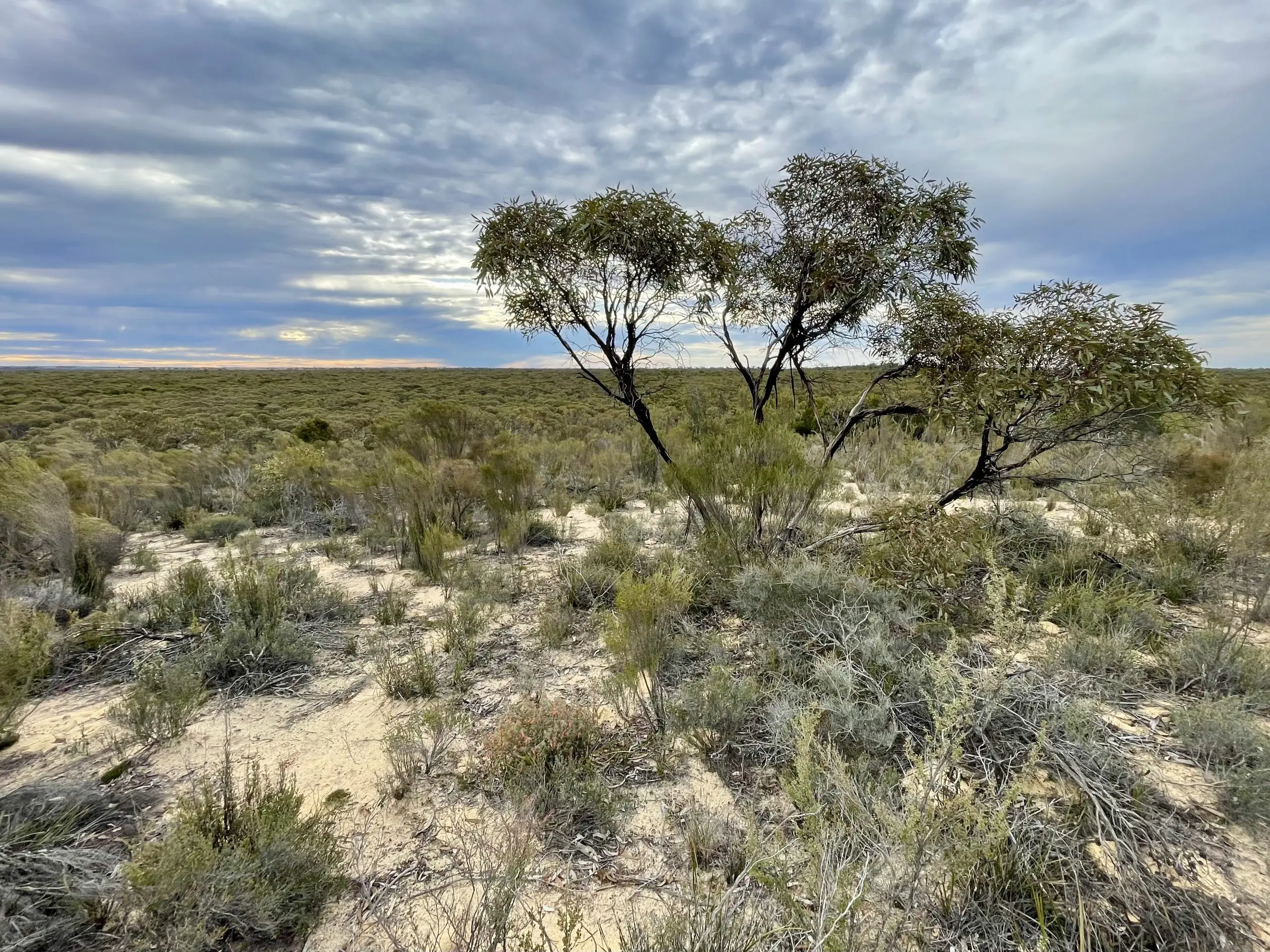
With support from First Option Bank, more than 800 hectares of private mallee woodland is now being managed for conservation as part of an innovative plan to protect some of the country’s most endangered native wildlife species.
As co-founders of Carbon Landscapes Chris Pitfield and Dr Steve Enticott are are at the forefront of a dynamic private enterprise approach to biodiversity conservation in Australia; pairing partners directly with expert environmental managers from highly respected organisations like Zoos Victoria, Odonata and Trust For Nature to get straight to the real work of providing safe havens for endangered native species.
As custodians of the habitat, Carbon Landscapes work with some of the country’s foremost scientific experts to remove introduced predator species, manage the habitat to the needs of the species and work to re-establish their populations.
Protecting Threatened Species
Weighing only 4 grams, the Mallee Emu-Wren is a weak flyer and is particularly vulnerable to bushfires. Unable to cross large, open areas, the species has disappeared from large parts of its former range. The birds spend most of their time close to the ground in dense cover, darting between patches of Mallee spinifex. Zoos Victoria estimates there are between 7,500 and 35,500 birds left in the wild, placing the species in the endangered category.
Mallee bird communities' conservation focuses on protecting and restoring mallee habitats by managing fire, controlling feral predators (cats and foxes), managing grazing, and maintaining habitat connectivity. Key actions include large-scale pent control, restoring degraded areas, re-establishing connectivity between habitats, engageing landholders and communities, and implementing appropriate fire management plans to benefit species like the Mallee Fowl and Mallee Emu-Wren.
The Big Desert Wilderness Park was once a stronghold for the Mallee Emu-wren. The Telopea Downs Nature Haven Project aims to reintroduce individuals of this species into the National Park, to increase the Park’s existing population.